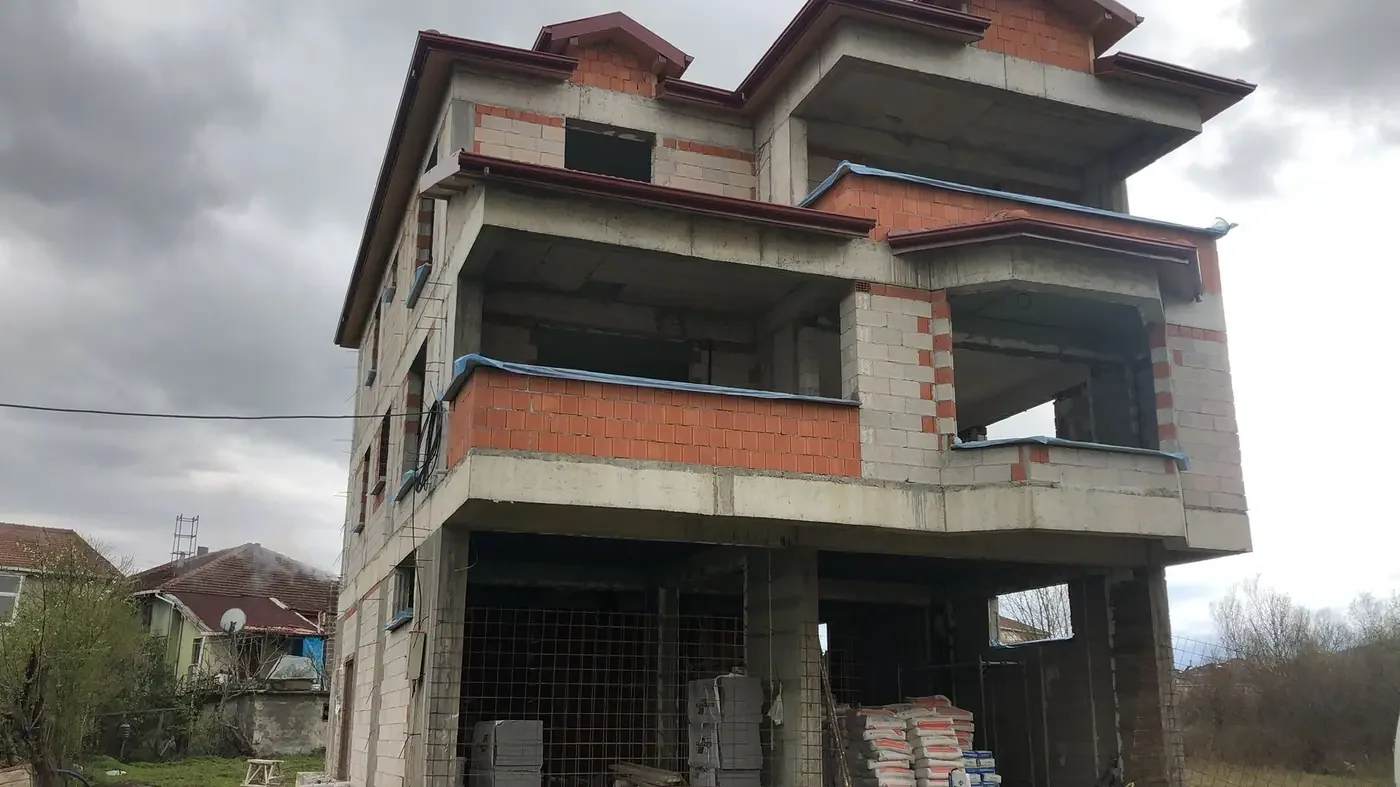
The foundation is the most expensive part of a building to fix later. Whether the building is prefabricated, steel or reinforced concrete, how the superstructure performs depends on the decisions made here. We have compiled the issues we encounter most often on site and how to prevent them.
Do not skip the soil survey
The foundation type is determined by the bearing capacity of the soil. Deciding without a survey, based on what was done on the neighboring plot, is a common but risky habit. Even on the same street, fill depth and groundwater level can vary.
The survey report also shows the need for waterproofing and drainage. Both items must be planned before the foundation concrete is poured.
Reinforcement and concrete
- Rebar diameter, spacing and concrete cover must follow the structural design; they should not be judged by eye.
- The concrete class and the pouring method should be recorded together with the delivery note.
- Voids left by insufficient vibration cannot be seen on the surface afterwards.
- Curing time directly affects concrete strength, especially in hot and windy weather.
Formwork and dimension checks
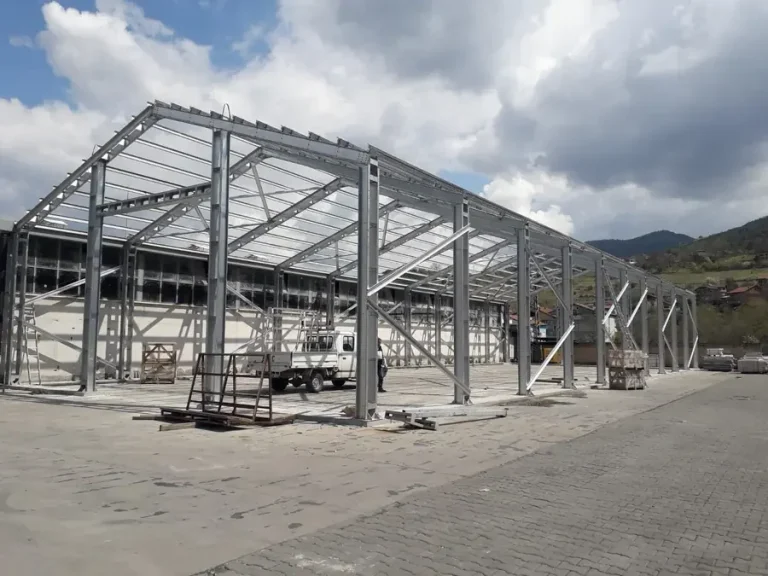
If a prefabricated or steel building will be installed, foundation dimensions, anchors and level tolerances must be checked against the manufacturer’s details. A deviation of a few centimeters turns into a problem that has to be solved on assembly day. It is best to check dimensions before the formwork is removed.
Site work and water discharge
Discharging water that appears during excavation, perimeter drainage and the type of fill material are also part of rough construction. When these items are shown separately in the quote, the budget is easy to read and no surprise items come up later.
Waterproofing and drainage
Because of the rainfall pattern in and around Bartın, carrying water away from the foundation is a critical item. Waterproofing under the foundation and on retaining wall surfaces must be completed before backfilling; fixing it later requires excavation.
The slope of the drainage pipe, the filter material and the discharge point should be shown in the design. Listing these details as separate items in the quote lets you confirm that none of this work has been skipped.
Why keeping records matters
Concrete delivery notes, rebar photos and level measurements take five minutes on site, but if a problem is disputed later, they are the only documents you have. We recommend keeping dated photos of the rebar and formwork before every pour.