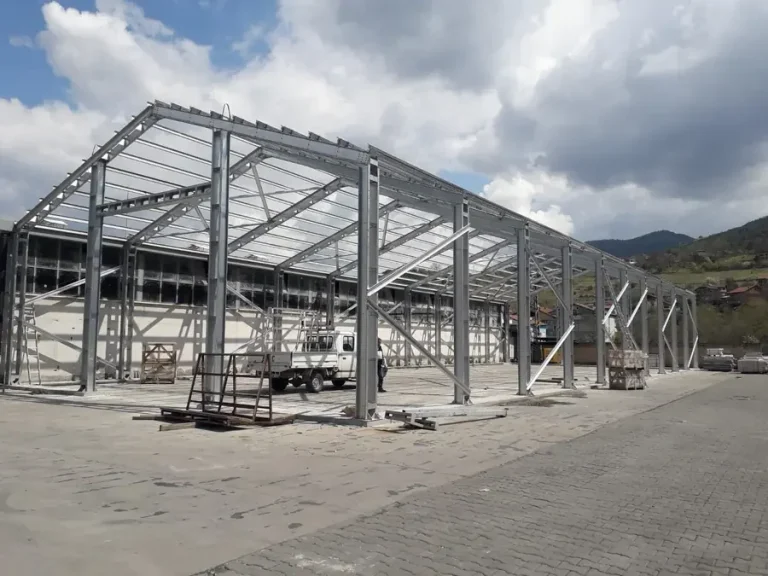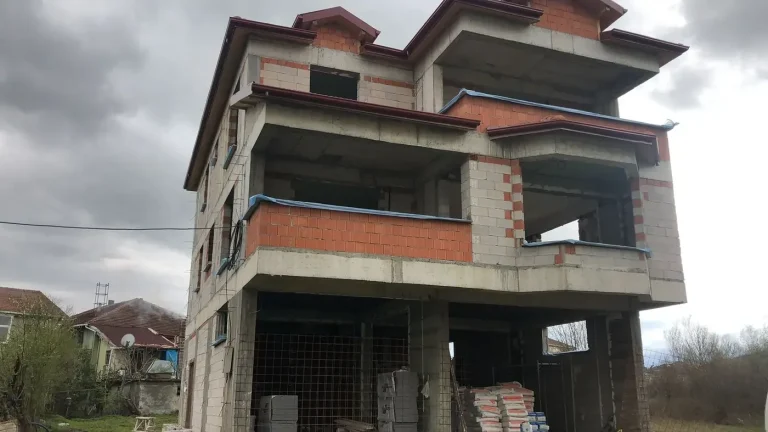
Containers and prefabricated buildings are often seen as alternatives to each other, yet they serve different needs. What decides the choice is the length of use, the need to relocate and the interior dimensions required.
Portability
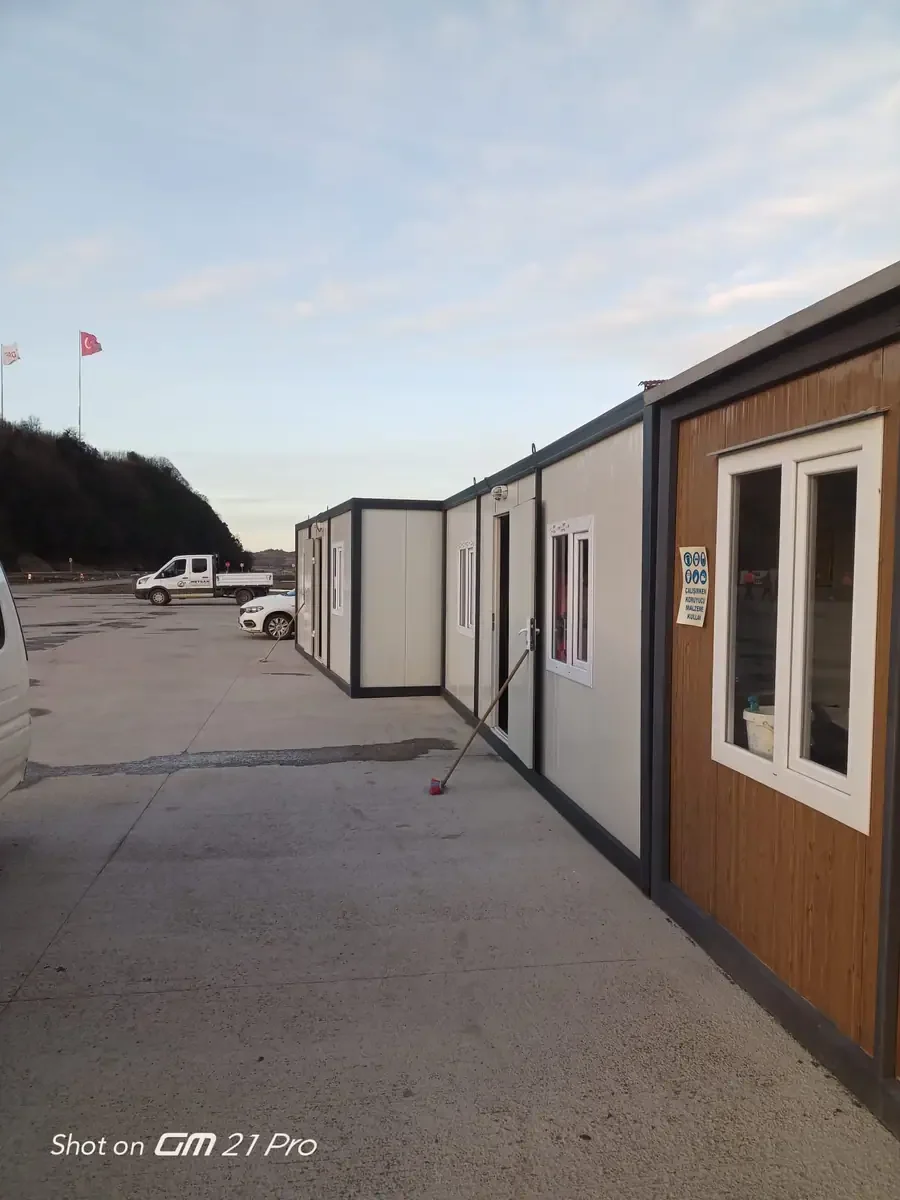
A container is manufactured in standard dimensions so that it can be transported in one piece. It is an advantage for uses that may require relocation, such as a site office, security booth or seasonal storage. A prefabricated building, on the other hand, is planned to stay where it is installed.
Flexibility in dimensions and layout
- In a container, interior dimensions are limited to standard modules; it can be enlarged by joining units together.
- In a prefabricated building, the number of rooms and the layout are determined by the design.
- As the need for wet areas grows, a prefabricated solution is easier to plan.
Permanent use
For long-term residential or business use, expectations for insulation, windows and doors, and installations rise. At this point, a prefabricated building offers more comfort for the same budget. A container is economical for a short- to medium-term, clearly defined function.
If you share your needs together with the duration and intended use, we can present both options side by side for the same project.
Cost and time
A container is a ready-made product; ordering and delivery times are short, and its price is clear based on size and fit-out. A prefabricated building involves design, production and assembly steps; it takes longer, but in return the layout is shaped around your needs.
For a short-term need, the total cost of a container is lower. If you expect to use the building for more than a few years, a prefabricated building offers better comfort per square meter.
Ground and placement
- A container must sit on a level, load-bearing platform.
- For a prefabricated building, the foundation is prepared according to the design.
- For both solutions, truck and crane access is checked in advance.
- Electrical and water connection needs should be planned from the start.
Practical notes for construction site use
For site offices and changing cabins, a container can be moved to another site once the job is finished, thanks to its portability. In long-term use, however, insulation and ventilation needs arise; heating in winter and overheating in summer are the two most frequently reported issues.
If you share your needs along with the duration, the number of people and your wet area requirements, we present both options side by side for the same site.