Whether a prefabricated building can be used in winter depends not on the system itself but on the insulation and window and door choices. In Bartın’s humid and rainy climate, these decisions affect the building’s service life as much as its comfort.
Wall and roof insulation
The insulation thickness inside the panel is chosen differently for buildings planned for year-round use than for summer use. The roof is the surface with the highest heat loss, so roof insulation should be considered together with the walls.
Thermal bridges usually form at joints. Panel joints, corner details and the roof-to-wall connection need to be checked during installation.
Windows, doors and glazing
- Double-glazed PVC windows are the minimum for year-round use.
- On north-facing facades, consider the glazing area and shading needs together.
- Applying sealing tape around doors and windows noticeably reduces heat loss.
Condensation and ventilation
In a humid climate, condensation on interior surfaces is caused as much by inadequate ventilation as by insufficient insulation. Mechanical ventilation in the bathroom and kitchen reduces the need to open windows in winter and prevents moisture buildup.
Choosing a heating system
The building’s heating demand should be calculated after the insulation decisions are made. Heating units are not included in the building price in most quotes; deciding on the system and the piping route at the planning stage avoids having to make changes later.
Floor and foundation insulation
The floor is the overlooked source of heat loss. Insulation between the building and the foundation concrete appears as a separate item in most quotes and should not be skipped in buildings planned for year-round use.
The choice of floor covering also affects comfort. When the screed and covering thickness are decided together with the heating system, level problems do not come up later.
Checks to make before winter
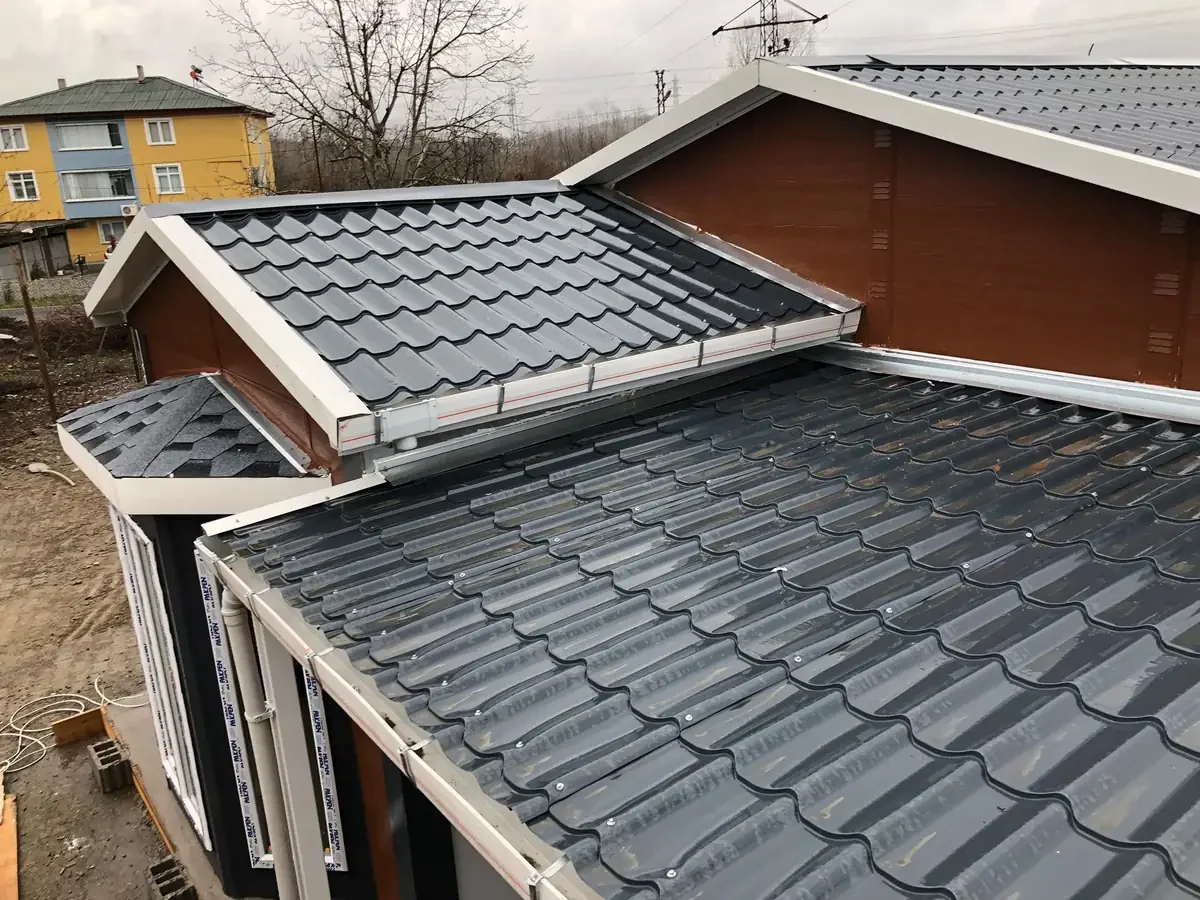
- Checking the roof and valley joints for signs of water
- Reviewing window and door seals and lock adjustments
- Cleaning the ventilation grilles
- Checking exterior joints and sealant
Switching from summer use to year-round use
A building set up as a summer home can be converted for year-round use; however, upgrading the wall and roof insulation, replacing windows and doors and installing heating are a separate scope of work. If you foresee this possibility from the start, deciding on insulation during installation is noticeably more economical.